IoT System Development
Design and implementation of connected systems that combine embedded devices, communication flows, and software interfaces.
IoTSolutions designs and develops connected hardware, embedded systems, IoT platforms, and digital products from early prototype through implementation planning.
Based in Nepal, available for remote collaboration. Start with the Nepal overview if you want the regional entry point.
GSM/LTE, LoRa, BLE, Wi-Fi, MQTT, dashboards, and practical engineering workflows for connected systems.
Capabilities
IoTSolutions approaches products and prototypes as systems, connecting devices, communications, and usable software around the same engineering objective.
Design and implementation of connected systems that combine embedded devices, communication flows, and software interfaces.
Firmware-focused development for microcontroller-based products, sensor handling, communication logic, and device behavior.
Rapid engineering prototypes for research, product validation, field trials, and early-stage technical demonstrations.
Architectures that connect devices through GSM/LTE, LoRa, BLE, Wi-Fi, and MQTT for distributed monitoring use cases.
Device-to-dashboard thinking that connects field data with usable interfaces, reporting, and operational visibility.
Supporting software for digital products, internal tools, and interfaces that complement connected hardware systems.
Featured Projects
Selected work includes real prototypes, research efforts, and concept-stage engineering directions.
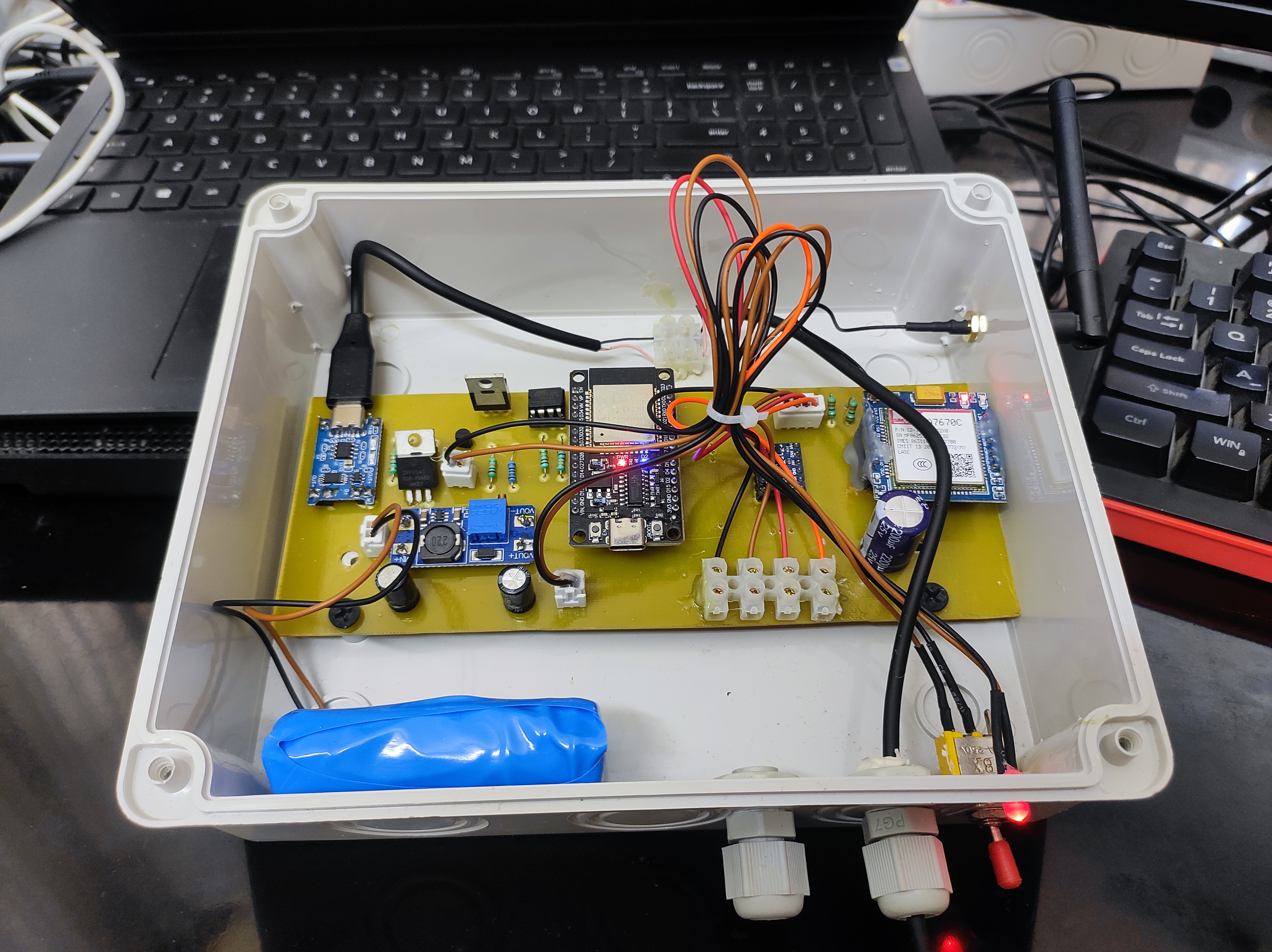
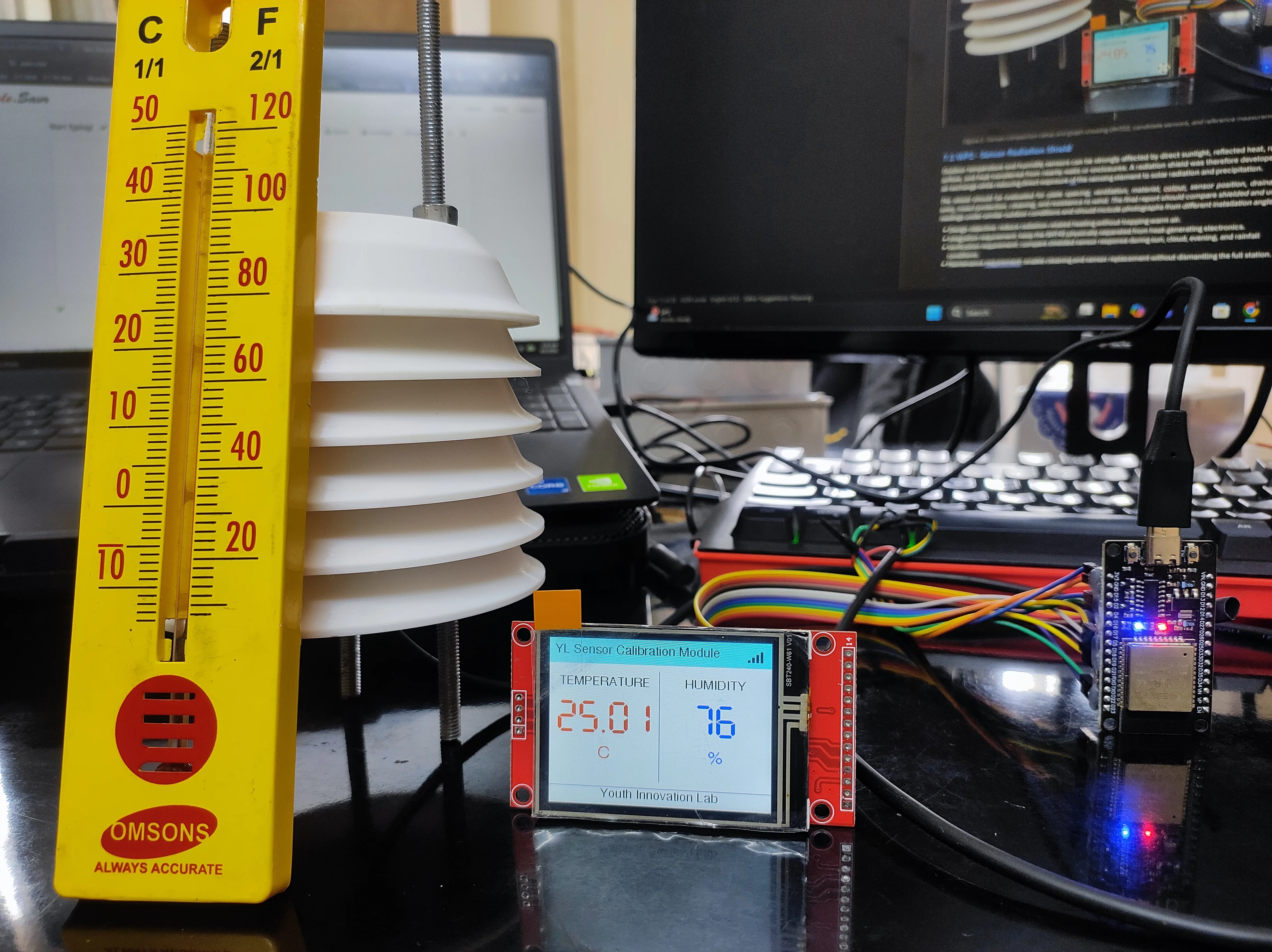
A compact ESP32-based microclimate monitoring device using an SHT45 sensor, GSM communication, OTA firmware updates, and 18650 Li-ion battery backup.
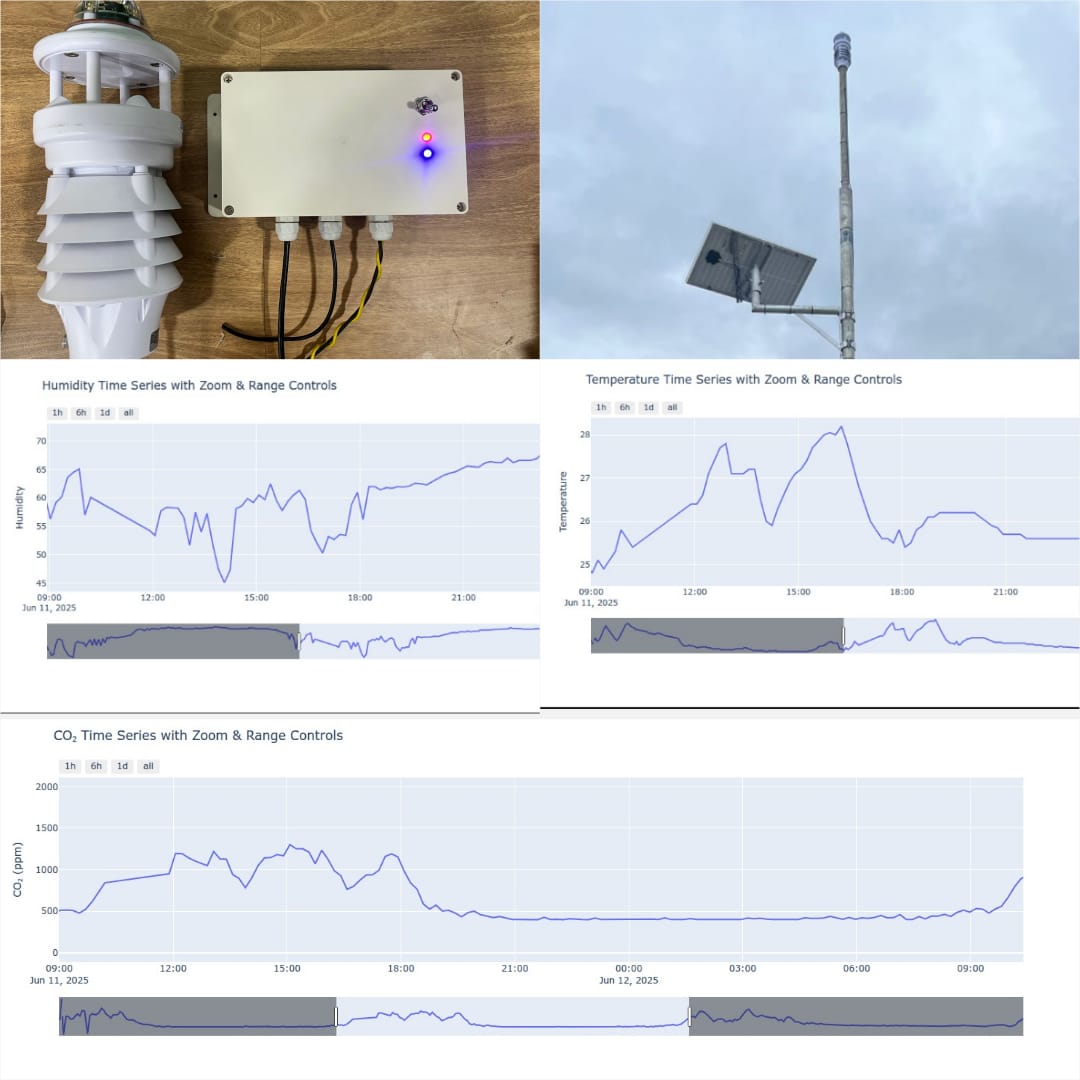
A solar-powered ESP32 weather station that monitors temperature, humidity, CO₂, light intensity, wind, PM2.5, and PM10 using RS485-connected sensors and GSM-based remote communication.

A flexible ESP32-based agricultural automation system with Wi-Fi and GSM connectivity, sensor-driven control, manual and automatic operation, and mobile and web monitoring.
Application Areas
The same engineering approach can support different domains depending on sensing needs, field conditions, communications, and operator workflows.
Solution Area
Monitoring systems for air, weather, water, and environmental conditions where sensing, buffering, connectivity, and dashboard visibility all matter.
Solution Area
Connected sensing and control systems for irrigation, greenhouse conditions, water availability, and remote agricultural telemetry.
Solution Area
Monitoring-oriented connected systems for equipment telemetry, edge data acquisition, device health visibility, and operational data collection.
Solution Area
Connected-device architectures for unattended equipment, GSM/LTE telemetry, LoRa links, Wi-Fi access, buffering, retries, and remote device-health visibility.
Solution Area
Custom PCB design for embedded, IoT, automation, sensing, control, and connected-device applications from prototype circuit to production-ready hardware.
Solution Area
Sensor-triggered control systems for pumps, relays, valves, environmental actions, scheduled behavior, and local autonomous operation.
Solution Area
Distributed sensing and telemetry concepts for public-space monitoring, environmental observation, infrastructure visibility, and dashboard-based connected systems.
Solution Area
Connected telemetry architectures for equipment state, environmental exposure, usage visibility, remote health status, and optional location-ready system design.
Engineering Process
Not every project requires every phase equally, but a clear engineering sequence helps reduce surprises and improve decision-making.
01
Requirements, constraints, and the intended technical or operational outcome.
02
System architecture, hardware choices, connectivity approach, and supporting software plan.
03
Build the first working system and integrate the key device, firmware, and interface components.
04
Test hardware behavior, communications, data flow, and overall technical reliability.
05
Prepare the solution for real use, field testing, or a broader implementation phase.
06
Iterate from user feedback, operational insight, and technical findings from real usage.
Technology Stack
The focus is on choosing technologies that fit the system architecture, operating environment, and long-term maintainability of the solution.
Who We Help
IoTSolutions supports different kinds of technical teams and organizations without narrowing the business to only one audience.
Prototype and validate connected product ideas with a practical engineering foundation.
Build monitoring and operational systems that support field teams, programs, and infrastructure.
Create technical solutions that combine hardware, connectivity, and software around real workflows.
Develop instruments, monitoring setups, and proof-of-concept systems for research and experimentation.
Move from concept to working prototype with integrated device, firmware, and application thinking.
Technical guidance, implementation support, and prototype development for engineering and research projects.
Why IoTSolutions
The differentiator is how systems are designed and developed: across hardware, communication, software, and the realities of practical implementation.
01
Connected products require more than just code, so decisions are made across device, data, and interface layers.
02
Architectures are shaped to support progression beyond a demonstration when the concept proves valuable.
03
Technology choices are grounded in constraints, maintainability, communication reliability, and real usage.
04
Systems are structured so hardware, firmware, and software can evolve as requirements become clearer.
Founder-led engineering
IoTSolutions is a founder-led venture by Saroj Chaudhary, with work focused on practical IoT and embedded-system engineering rather than inflated claims about company scale.
Insights
Recent notes from the engineering side of IoTSolutions, focused on practical build decisions across connected devices, embedded systems, and prototype architecture.
A practical IoT final-year project for Nepali engineering students using ESP8266, ESP32, or Raspberry Pi to monitor PM2.5, PM10, CO₂, temperature, humidity, and map air pollution through a custom database, web app, and mobile app.
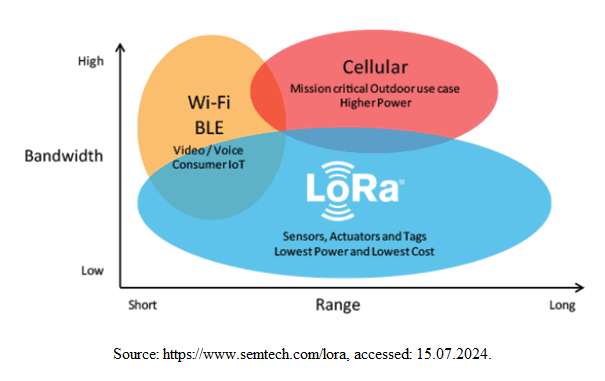
A practical framework for selecting the right wireless link for an IoT device based on range, power, infrastructure, bandwidth, and field conditions.
Build an automatic night light using ESP8266, an LDR sensor, relay, bulb, and Blynk for light-level monitoring and manual override control.
Next Step
Let’s talk about IoT products, prototypes, embedded systems, monitoring solutions, research ideas, and the digital platforms that support them.