Equipment Sensors or Inputs
Signals from equipment state, environmental conditions, counters, or external sensors form the monitored layer.
Solution Area
Industrial IoT solution work focused on monitoring, telemetry, and equipment visibility systems that can integrate with existing operational environments where appropriate.
Industrial IoT work benefits from careful scope. The focus here is on monitoring, telemetry, edge acquisition, and connected visibility systems rather than unsupported claims about certified industrial automation or deep control-stack specialization.
That still leaves meaningful engineering work. Equipment state, environmental conditions, remote status, operational metrics, and alert-ready telemetry all require disciplined decisions about sensing, buffering, communications, dashboard design, and maintainability.
IoTSolutions approaches this solution area through those real connected-system concerns while leaving room for future integrations with existing industrial infrastructure where appropriate.
The exact stack depends on the operating environment, but these are the common layers and handoffs that shape this solution area.
Signals from equipment state, environmental conditions, counters, or external sensors form the monitored layer.
A local controller gathers readings, timestamps events, and prepares telemetry without assuming permanent site access.
Communications may rely on Wi-Fi, GSM/LTE, or gateway-connected paths depending on the site and the existing infrastructure.
Structured data reaches the software layer where device state, events, and trends can be tracked.
Operators need interfaces that expose status, changes, and anomalies in a form that supports action.
The monitored inputs can range from environmental values to equipment-adjacent telemetry signals depending on the problem being solved.
Local acquisition, buffering, and state logic help the device remain useful even when the network is imperfect.
The system can be designed to integrate with existing industrial infrastructure where appropriate rather than assuming a single network pattern.
Dashboards and alert views help operational teams interpret what is changing without reading raw payloads.
Industrial contexts often demand attention to enclosure strategy, interference, access limitations, and physical maintenance constraints.
Data collection should capture the signals that actually support operational decisions rather than creating noise for the dashboard.
Site infrastructure may already exist, but its reliability, accessibility, and integration path still need validation.
Monitoring systems need enough health visibility to separate communications failures from device-side or process-side change.
This solution area stays focused on monitoring and telemetry, not unsupported safety-critical automation claims.
Equipment telemetry collection
Machine-condition monitoring concepts
Distributed operational data visibility
Remote status dashboards for field devices
Alert-ready monitoring architectures
Core Service
Connected system design spanning devices, firmware, communications, data flow, and operator-facing interfaces.
Firmware & Device Logic
Firmware-focused development for microcontroller-based systems, sensor interfaces, device logic, and hardware integration.
Communications Strategy
Connectivity planning and remote telemetry system design shaped by range, power, reliability, infrastructure, and field conditions.
Data Interfaces
Software interfaces and platform-oriented development for monitoring, telemetry visualization, device status, and connected operations.
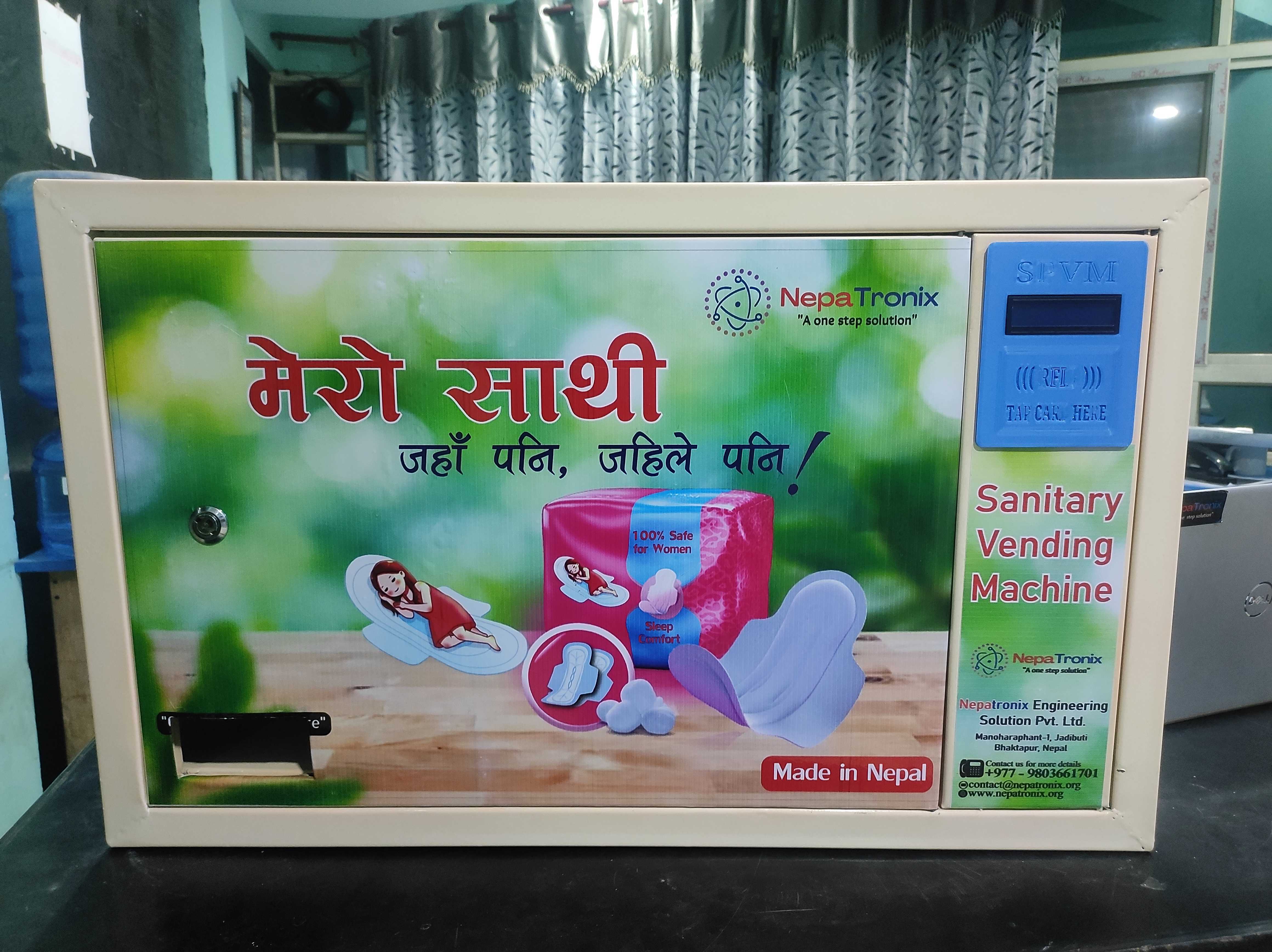
An ESP32-based sanitary pad vending machine with RFID access, automated stepper-motor dispensing, local status display, battery backup, and remote monitoring.
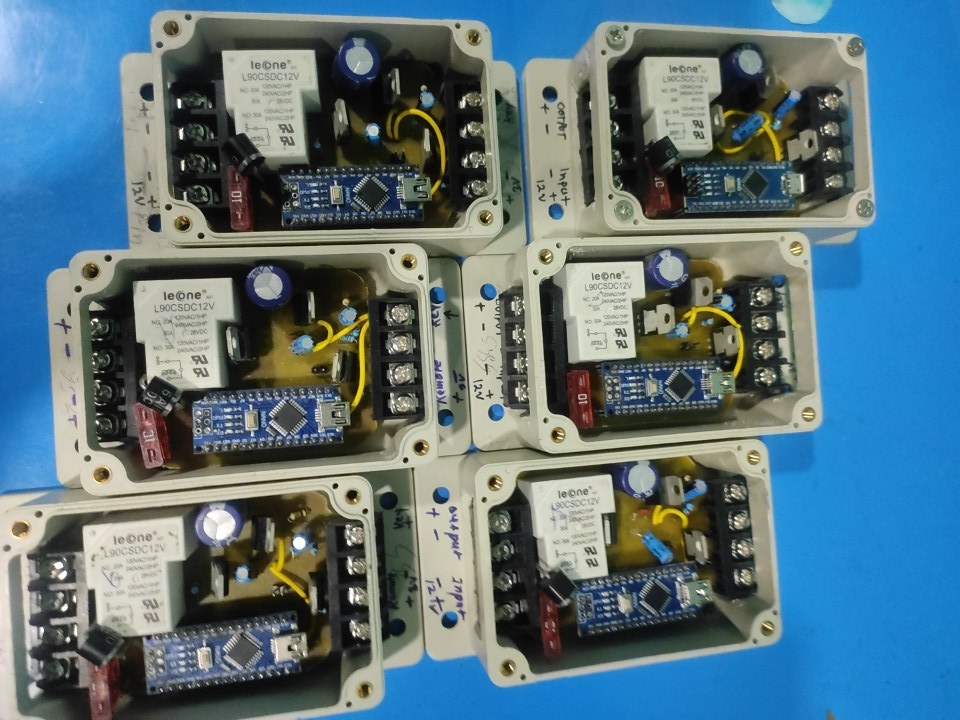
A compact vehicle accessory controller that detects ignition-key state and automatically switches connected devices such as LED displays, TVs, or other 12 V accessories.
Next Step
We can discuss the sensing strategy, embedded logic, connectivity approach, and software visibility that make the solution practical in the field.