Core Service
IoT System Development
Connected system design spanning devices, firmware, communications, data flow, and operator-facing interfaces.
- Connected device architecture
- Sensor integration
- Firmware development
A compact vehicle accessory controller that detects ignition-key state and automatically switches connected devices such as LED displays, TVs, or other 12 V accessories.
A microcontroller-based automotive control unit designed to detect vehicle ignition state and safely control connected accessories through relay switching.
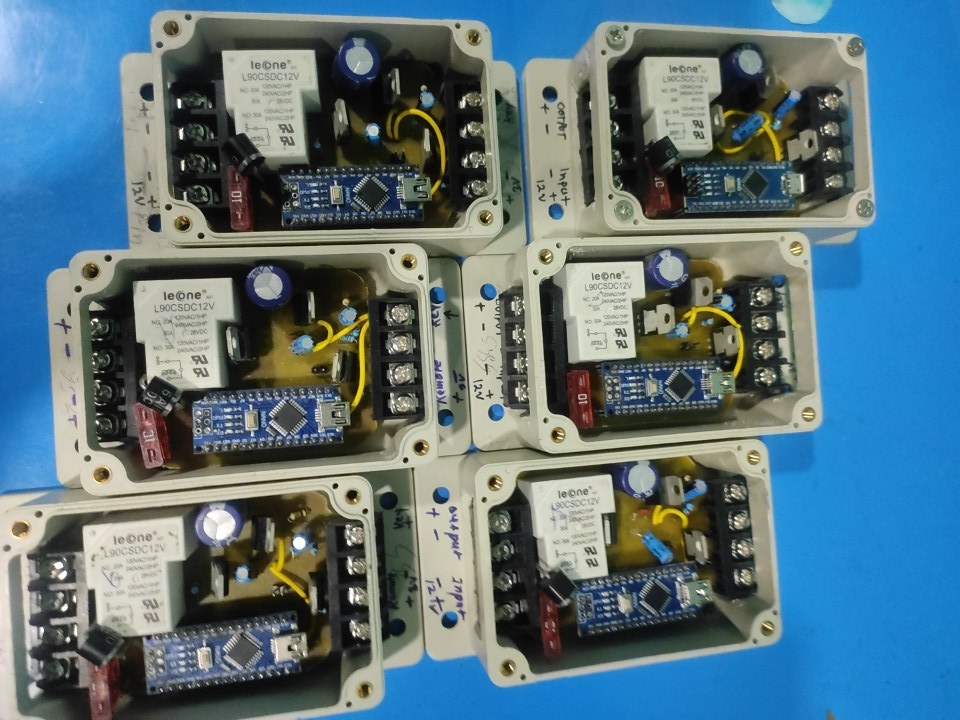
The Vehicle Ignition-Based Accessory Controller is a compact embedded control unit designed to operate electrical accessories according to the vehicle’s ignition-key state.
It can automatically turn connected devices on or off when the vehicle is started or stopped.
The controller monitors the vehicle ignition signal and uses a relay output to control the connected appliance.
Ignition State → Microcontroller → Relay → Vehicle Accessory
This allows accessories such as:
to operate automatically without requiring separate manual switching.
The system was developed as a completed working prototype for automatic vehicle accessory control.
Although small in size, it provides a practical solution for reliably managing electrical devices based on vehicle operation.
Core Service
Connected system design spanning devices, firmware, communications, data flow, and operator-facing interfaces.
Firmware & Device Logic
Firmware-focused development for microcontroller-based systems, sensor interfaces, device logic, and hardware integration.
Proof of Concept
Prototype-oriented engineering for evaluating sensors, modules, power approaches, and early connected-system ideas.
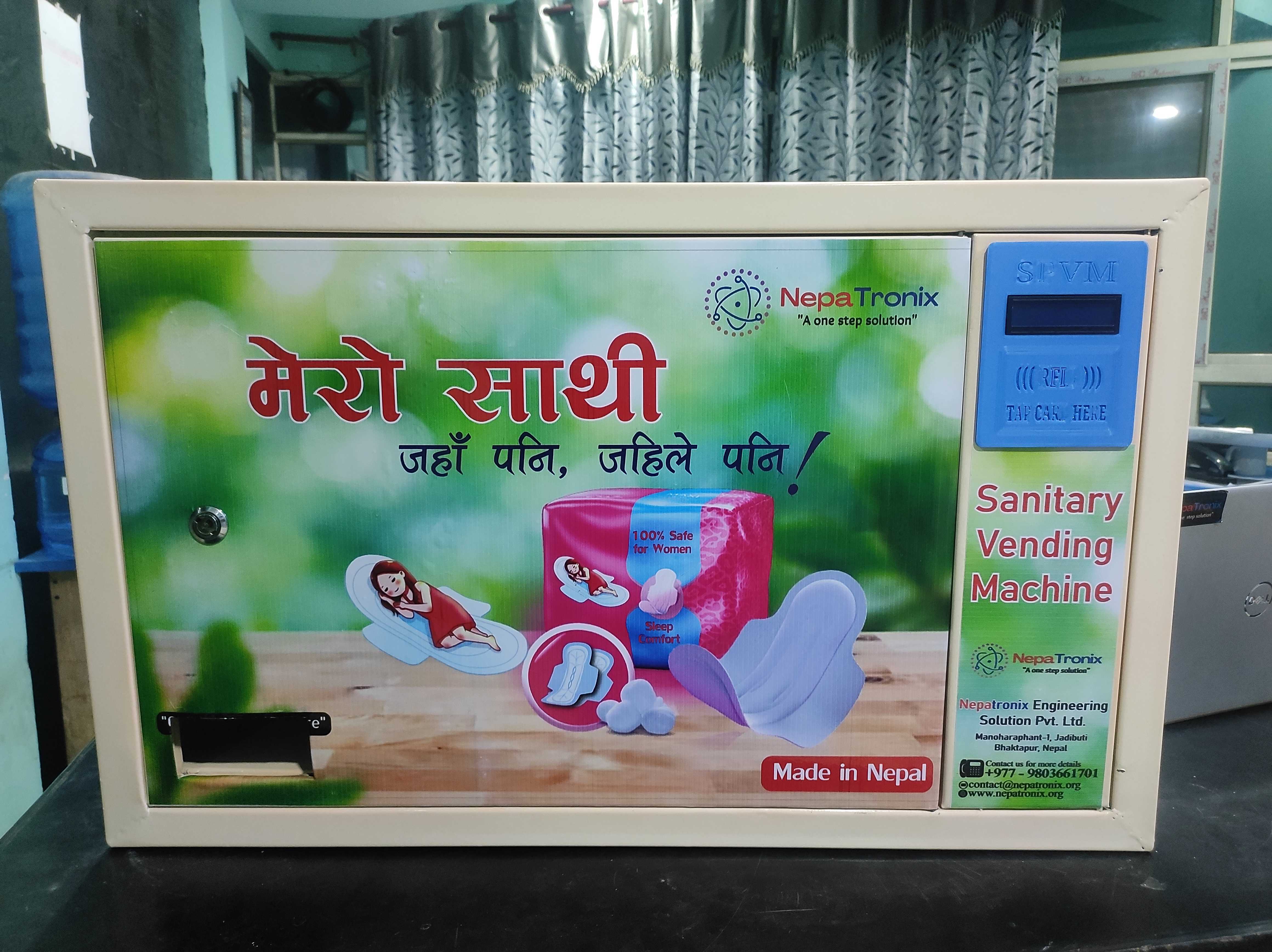
An ESP32-based sanitary pad vending machine with RFID access, automated stepper-motor dispensing, local status display, battery backup, and remote monitoring.

A flexible ESP32-based agricultural automation system with Wi-Fi and GSM connectivity, sensor-driven control, manual and automatic operation, and mobile and web monitoring.
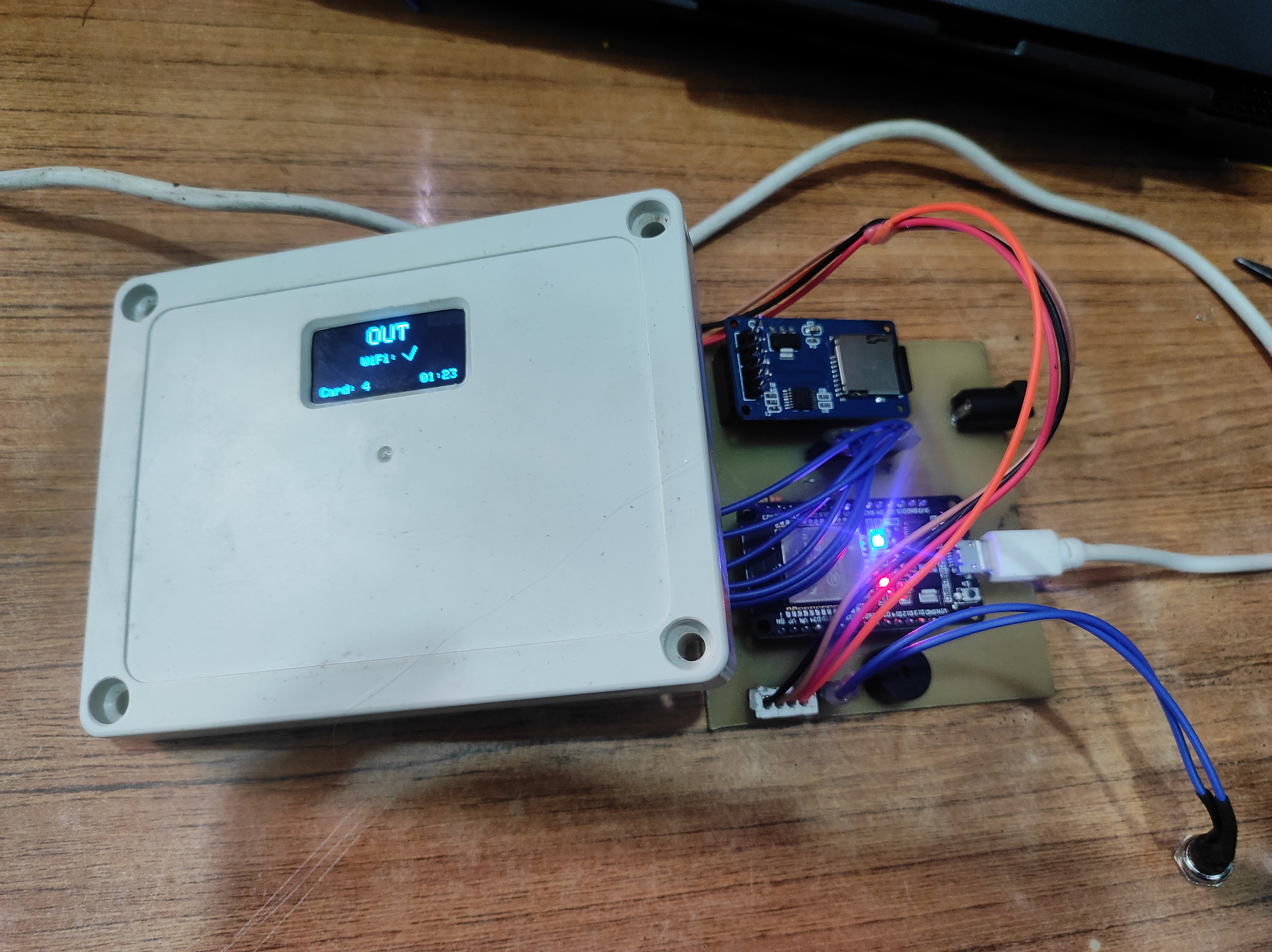
A fast and reliable ESP32-based attendance system using RFID cards, local SD-card storage, a 1.3-inch OLED display, captive-portal configuration, and battery backup.
Need a similar system?
If the challenge looks similar to this case study, we can map scope, hardware, firmware, connectivity, and supporting software before the build gets expensive.