Sensors
The system begins with the measurements that matter for the target environment, such as particulate concentration, humidity, pressure, rainfall, or water condition signals.
Solution Area
Environmental monitoring solutions combine field sensors, embedded controllers, communications, and data visibility so changing conditions can be observed without depending on constant local access.
Environmental monitoring systems are rarely just about attaching a sensor to a device. They need an architecture that can cope with field conditions, power limits, communication gaps, and the fact that useful environmental data usually comes from patterns over time rather than isolated readings.
That means the engineering problem spans more than measurement alone. Sampling intervals, local buffering, enclosure choices, transport method, and dashboard design all influence whether the system becomes genuinely useful once it leaves the bench.
This solution area stays focused on practical monitoring systems rather than inflated claims about accuracy or large deployments. The emphasis is on building a credible sensing and telemetry path that can support environmental visibility in real operating conditions.
The exact stack depends on the operating environment, but these are the common layers and handoffs that shape this solution area.
The system begins with the measurements that matter for the target environment, such as particulate concentration, humidity, pressure, rainfall, or water condition signals.
The controller coordinates sampling, local logic, data packaging, and any edge behavior needed before transmission.
Communications are selected according to site coverage, range, power availability, and whether a fixed network is realistic.
Telemetry reaches a software layer that can validate, organize, and expose readings to the rest of the system.
Measurements become more useful when preserved as historical context rather than isolated payloads.
Interfaces help users review trends, check device health, and interpret what is changing in the environment.
The sensing layer may include air, weather, rainfall, water, or environmental-status instrumentation depending on the monitoring objective.
A microcontroller-class device handles timing, local storage decisions, and packet formatting.
Fixed power, battery operation, or solar-assisted power strategy must be chosen according to deployment reality.
The network layer carries data from unattended sites into the software environment where it becomes visible and actionable.
API handling, storage, and interface design turn measurements into something usable for monitoring workflows.
Environmental conditions, exposure, and the decisions the data needs to support should shape sensor choice more than a generic spec sheet comparison.
Sampling frequency affects power draw, network use, storage growth, and what trends can actually be interpreted later.
Systems should be designed so sensor checks, replacement, and calibration-related workflows remain practical over time.
Field monitoring often depends on power-aware architecture, especially when solar or battery operation is involved.
Remote deployments benefit from local buffering, retry handling, and device-health visibility when links are unreliable.
Unattended devices should surface enough status information to distinguish sensing issues from power or network problems.
Outdoor air-quality monitoring
Weather and climate observation
Indoor environment monitoring
Water condition telemetry concepts
Distributed environmental sensing networks
Core Service
Connected system design spanning devices, firmware, communications, data flow, and operator-facing interfaces.
Firmware & Device Logic
Firmware-focused development for microcontroller-based systems, sensor interfaces, device logic, and hardware integration.
Proof of Concept
Prototype-oriented engineering for evaluating sensors, modules, power approaches, and early connected-system ideas.
Communications Strategy
Connectivity planning and remote telemetry system design shaped by range, power, reliability, infrastructure, and field conditions.
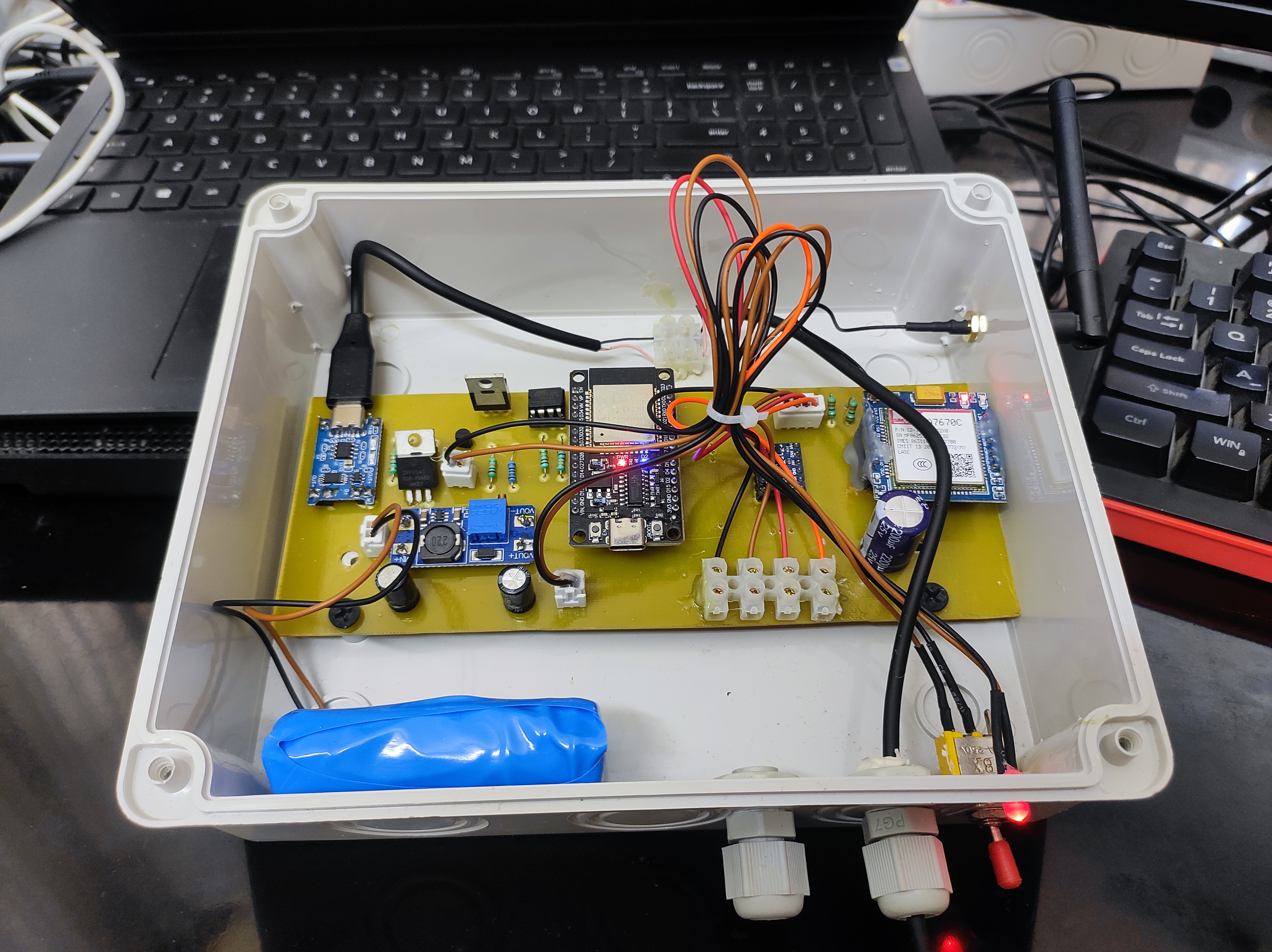
A compact ESP32-based microclimate monitoring device using an SHT45 sensor, GSM communication, OTA firmware updates, and 18650 Li-ion battery backup.
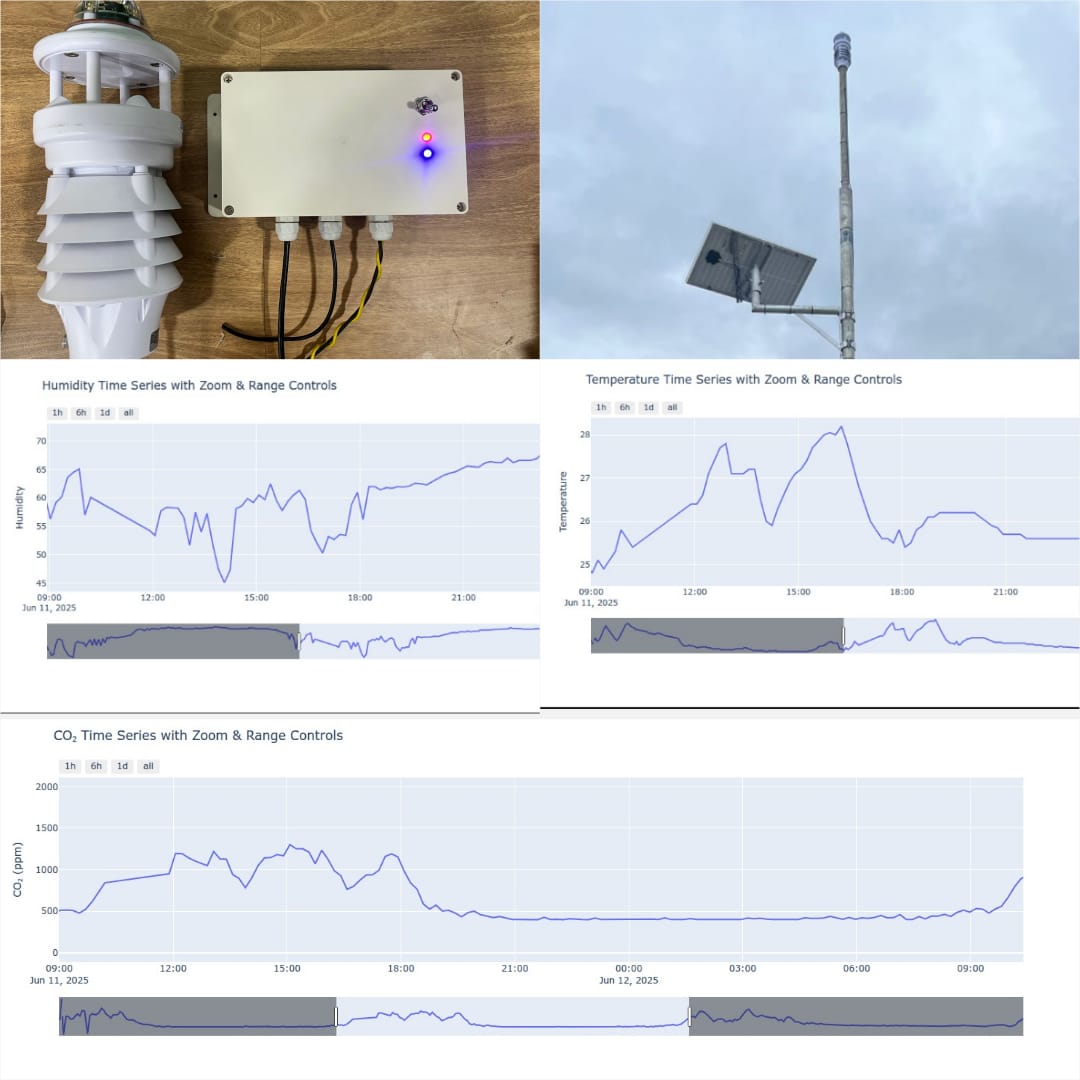
A solar-powered ESP32 weather station that monitors temperature, humidity, CO₂, light intensity, wind, PM2.5, and PM10 using RS485-connected sensors and GSM-based remote communication.
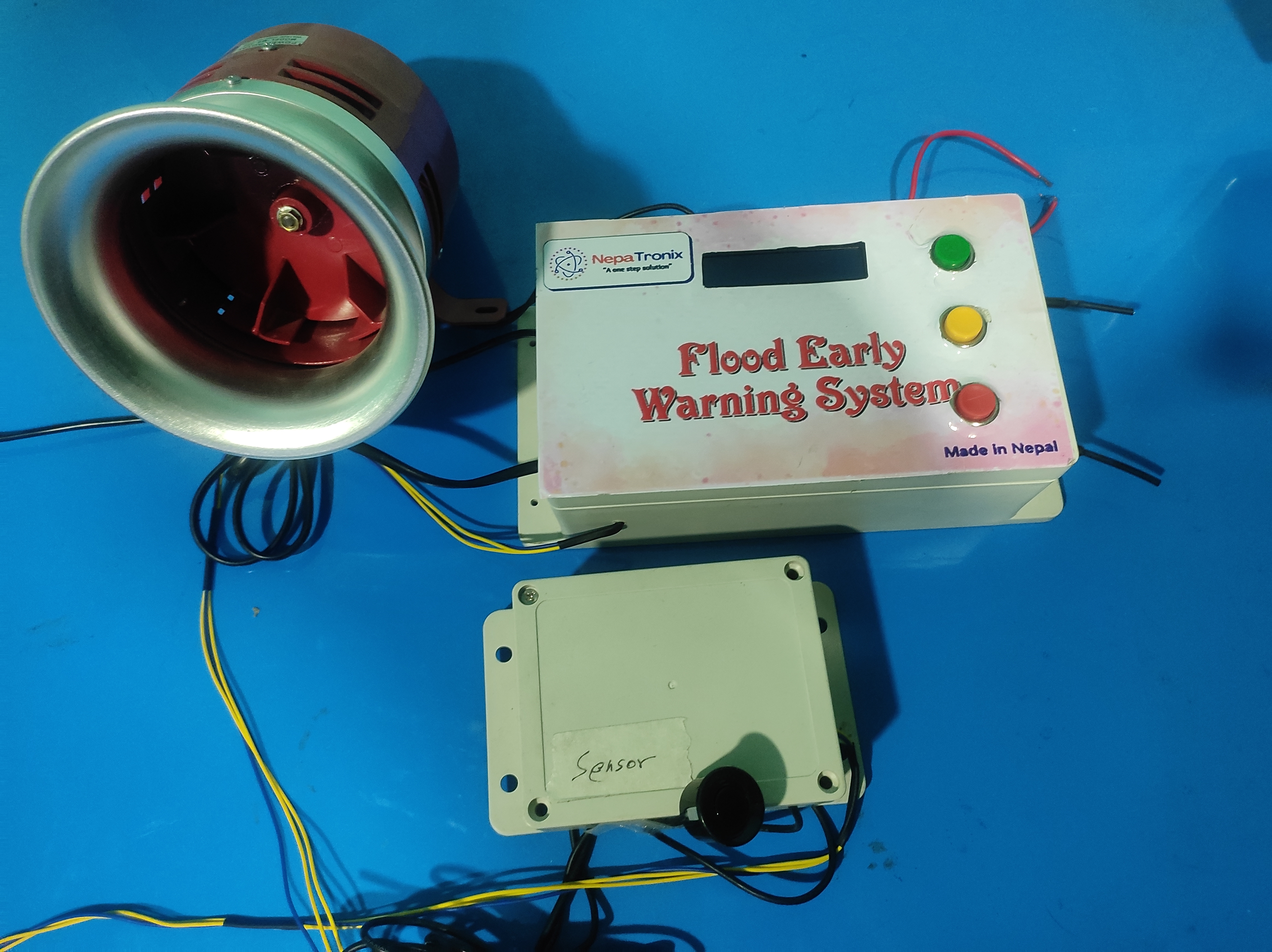
A real-time flood early warning system using ultrasonic water-level sensing, LoRa communication, multiple connected nodes, and a 120 dB siren for automatic and manual alerts.
Next Step
We can discuss the sensing strategy, embedded logic, connectivity approach, and software visibility that make the solution practical in the field.