Choosing IoT Connectivity: Wi-Fi, GSM/LTE, LoRa or BLE?
A practical framework for selecting the right wireless link for an IoT device based on range, power, infrastructure, bandwidth, and field conditions.
- Wi-Fi
- GSM
- LTE
- LoRa
- BLE
- MQTT
- Published
- Updated
- Reading time
- 6 min read
- Author
- Saroj Chaudhary
- Role
- IoT & Embedded Systems Engineer
Connectivity is not a checkbox you add after choosing a microcontroller. It changes the hardware, firmware, power strategy, enclosure expectations, deployment process, and even the dashboard assumptions on the software side.
If your project is still early, this article pairs well with the Connectivity & Remote Monitoring service and the Remote Monitoring & Telemetry solution page, where the same trade-offs appear at system level instead of as isolated component choices.
Start with the deployment reality
Before comparing technologies, answer a few practical questions:
- Will the device stay near a known local network, or will it be moved between sites?
- Can the device depend on mains power, or is battery and solar behavior part of the design?
- How often does data need to move: every second, every few minutes, or only on events?
- Is there already a gateway, phone, or router nearby?
- If connectivity disappears for a day, does the device still need to remain useful?
Those answers narrow the choice faster than a long specification sheet.
If the deployment is being planned for Nepal or another environment where site conditions vary sharply, the companion guide on planning an IoT project in Nepal extends the same thinking into power, maintenance, and field-constraint planning.
A quick comparison table
| Option | Best when | Power profile | Infrastructure need | Practical limitation |
|---|---|---|---|---|
| Wi-Fi | The device lives near a stable router or access point | Moderate to high, depending on duty cycle | Existing local network | Weak fit for remote field deployment without nearby infrastructure |
| GSM/LTE | The system must work away from local networks | Higher than short-range radios | Cellular coverage and SIM/data setup | Power budget, recurring cost, and signal variability matter |
| LoRa | Payloads are small and long range matters more than bandwidth | Low on field nodes | A gateway or planned network architecture | Not suitable for large or frequent data transfers |
| BLE | A phone, tablet, or nearby gateway is part of the workflow | Low to moderate | Nearby paired device | Short range and less useful for unattended wide-area telemetry |
This is why articles that sound like “LoRa is best for IoT” are usually too generic to help. The right answer depends on what the device is trying to do and what the environment is willing to support.
When Wi-Fi is the right answer
Wi-Fi is often the fastest route for a prototype when the device will live indoors or near known infrastructure. It works well for lab systems, office-connected devices, home automation prototypes, and some factory or campus environments where network access is predictable.
Wi-Fi also makes it easier to validate upstream software early. If you are building a device together with an interface or telemetry workflow, Wi-Fi can reduce early complexity while you shape the rest of the IoT system architecture.
Where teams get into trouble is assuming Wi-Fi will still be easy once the device moves into rooftops, farms, roadside cabinets, or mobile assets. If the deployment has no dependable local network, Wi-Fi stops being the easy answer and becomes a support burden.
When GSM/LTE makes more sense
Cellular connectivity is useful when the device must be independent of the customer’s local infrastructure. A remote monitoring node, outdoor environmental station, or distributed equipment tracker often fits this model better than a Wi-Fi device.
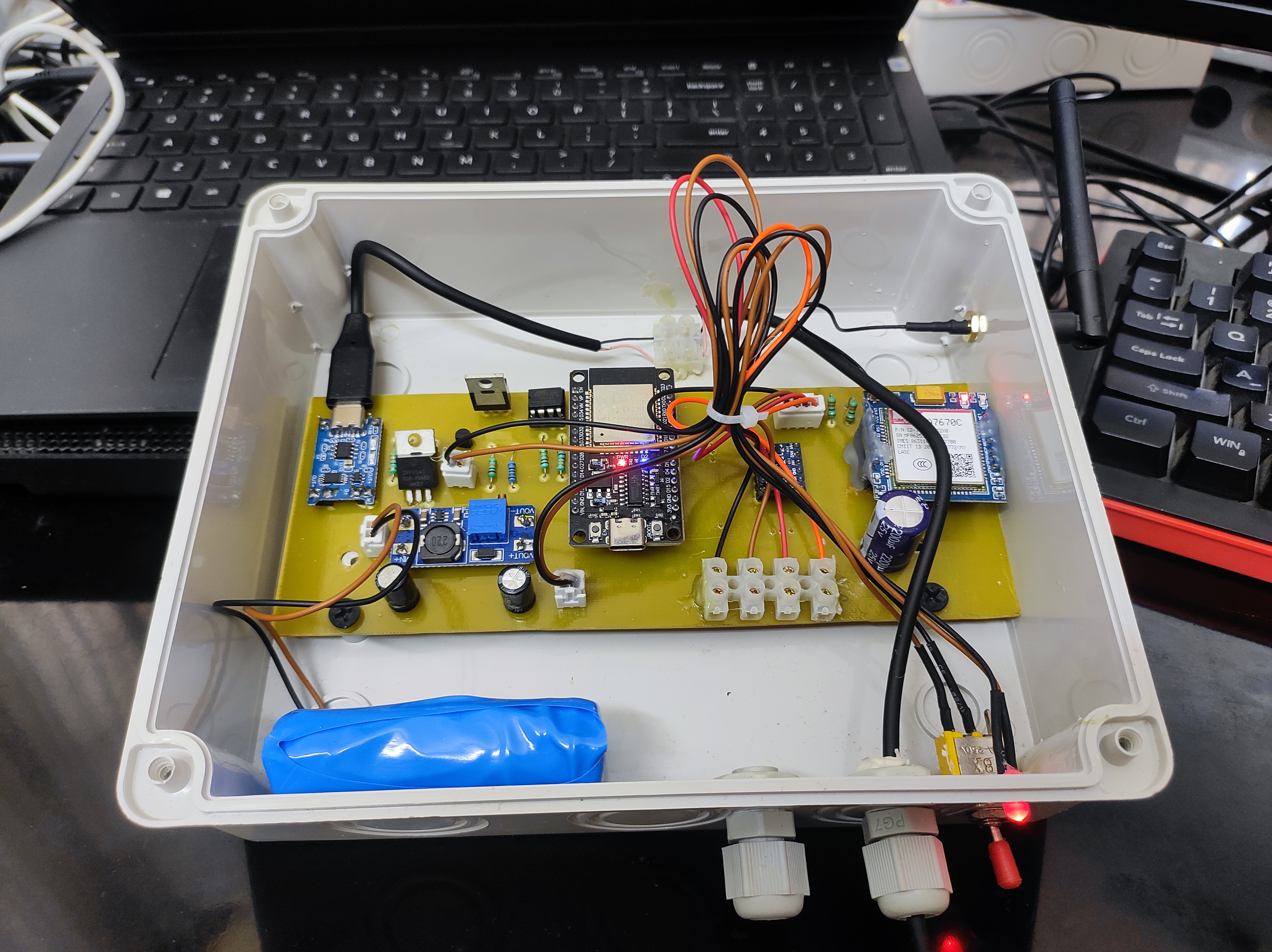
GSM/LTE is attractive because the device can talk directly to the internet-facing side of the system without waiting for a local gateway. That is exactly why it appears in the VayuCast microclimate monitoring device: the field environment cannot assume a stable nearby router.
The trade-off is that cellular links cost energy. Modem startup, signal search, and poor coverage can all increase battery drain. That means the connectivity decision immediately becomes a power decision too.
Where LoRa fits
LoRa becomes interesting when the data is light, the range requirement is large, and battery life matters more than bandwidth. It is a strong candidate for sparse sensing, periodic telemetry, and distributed field nodes that only need to send compact messages.
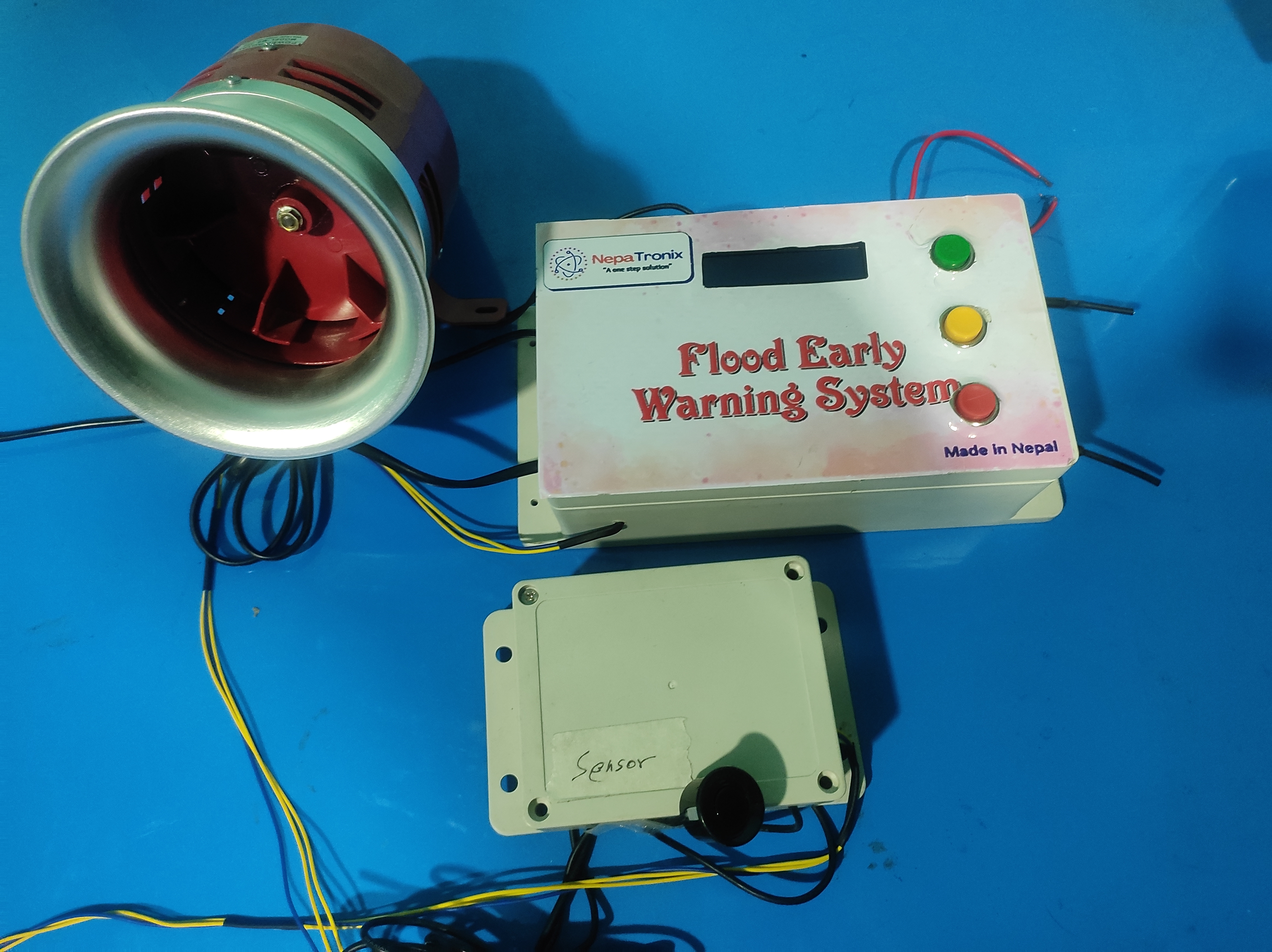
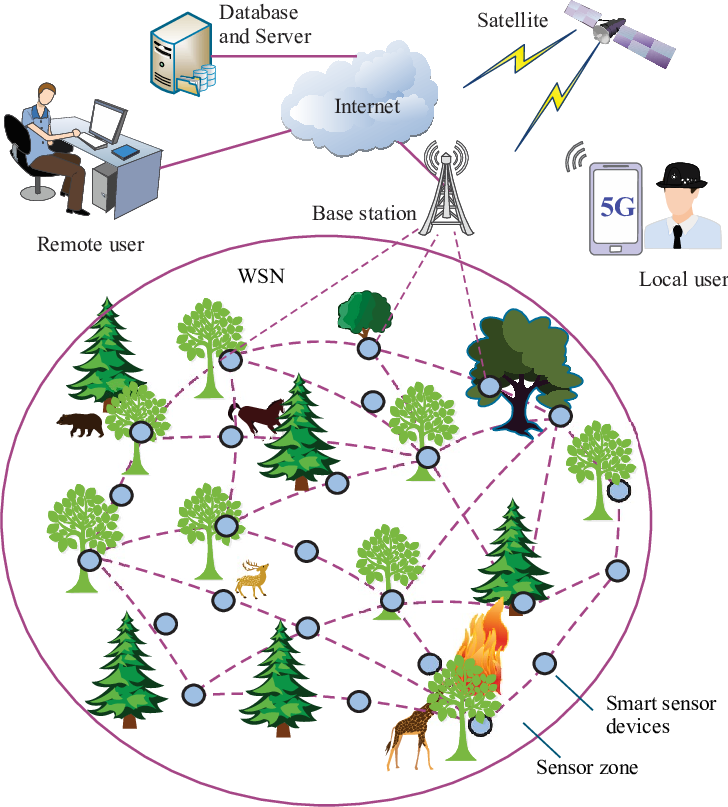
The catch is architectural: LoRa usually works best as part of a gateway-based system. The field node stays simple, while the gateway handles the richer upstream networking. That design direction is visible in the LoRa-based flood early warning system, where the radio choice affects the entire system topology.
If your device needs to upload images, stream rich diagnostics, or send frequent high-volume payloads, LoRa is usually the wrong tool.
When BLE is the practical choice
BLE is easy to underestimate because it is less dramatic than long-range radios, but it can be exactly right when the workflow includes a nearby phone, handheld app, or technician gateway.
BLE is useful for:
- local commissioning and setup
- short-range sensor accessories
- devices that sync through a mobile app
- prototypes where a phone temporarily acts as the bridge to the wider system
It is not a good substitute for unattended remote telemetry. If nobody is nearby with the companion device, the link does not exist.
Questions that narrow the decision quickly
If you need a fast first-pass decision, ask these in order:
- Does the deployment already include reliable network infrastructure?
- Can the device afford the energy cost of its communication path?
- Is a gateway or phone part of the intended workflow?
- What is the largest realistic payload the system must move?
- How often will the system be accessed for maintenance?
Each answer removes options instead of adding them.
Three practical selection examples
Greenhouse or indoor lab monitor
If the system stays within a managed space that already has stable internet access, Wi-Fi is usually the easiest path. You can focus more attention on sensing, firmware, and the dashboard instead of gateway design.
Solar-powered outdoor station
If the site is remote and fixed internet cannot be assumed, GSM/LTE may be the more honest fit, especially when the project needs direct telemetry to a central application. In that case, buffering and retry behavior become part of the design, not optional cleanup.
Distributed low-data field sensors
If the payloads are small and many nodes report back to one area, LoRa plus a gateway may be the better architecture. The system gives up bandwidth in exchange for range and lower field-node energy cost.
The best choice is the one that keeps the whole system credible
A good connectivity decision should make the complete build more believable: the electronics, the firmware schedule, the power path, the deployment workflow, and the operator experience should all benefit from it.
That is why connectivity planning should sit inside system design, not outside it. If you are still deciding between radios, the better question is often: “what operating environment am I really building for?”